

The Illusion of Easy Money
One of the most pervasive myths about casino gambling is the belief that it offers an easy and direct path to wealth. This notion is often fueled by stories of big jackpot winners, showcased in media and advertisements that emphasize the possibility of life-changing payouts. However, the reality is that these instances are extraordinarily rare, especially when engaging with online pokies , where the odds are intentionally structured against the player, and consistent success in gambling is not only unlikely but virtually impossible for most individuals. The glamour associated with big wins can overshadow the much more common experience of players walking away with losses.
Many people underestimate the house edge, which is the built-in advantage that casinos have over players in each game. This edge varies from game to game but generally ensures that, over time, the casino will always come out ahead. For example, in games like roulette, the house edge is approximately 5.26% for American roulette, which illustrates that, in the long run, players will lose more than they win. This mathematical reality starkly contrasts the myth of easy money, emphasizing that gambling should be seen as a form of entertainment rather than a reliable income source.
Moreover, the experience of gambling is often not as glamorous as portrayed. Many gamblers may experience losing streaks, which can lead to financial strain or emotional distress. Understanding that gambling should be primarily about entertainment rather than a reliable source of income is essential. This mindset not only helps mitigate disappointment but also encourages responsible gambling practices. Players are more likely to enjoy their time at the casino if they acknowledge the risks involved and accept that losses are an inherent part of the experience.
Luck versus Skill
The myth that gambling success is solely reliant on luck overlooks the significant impact of skill in certain games. While it’s true that games like slot machines and roulette are purely chance-based, other games, such as poker and blackjack, incorporate a considerable amount of strategy and decision-making. Skilled players can significantly improve their probabilities of winning through knowledge of the game, effective bankroll management, and a deep understanding of the odds. This skill component can make the difference between a casual player and a consistent winner.
For instance, in poker, reading opponents and making strategic bets can be the difference between winning and losing. Skilled players study the nuances of their opponents’ behaviors and adapt their strategies accordingly. They learn to recognize tells and patterns, allowing them to make informed decisions that can lead to success. Similarly, in blackjack, players can employ techniques such as card counting, which, while difficult to master, can provide a measurable edge over the house in the right circumstances. This aspect of skill emphasizes that not all gambling is simply a game of chance.
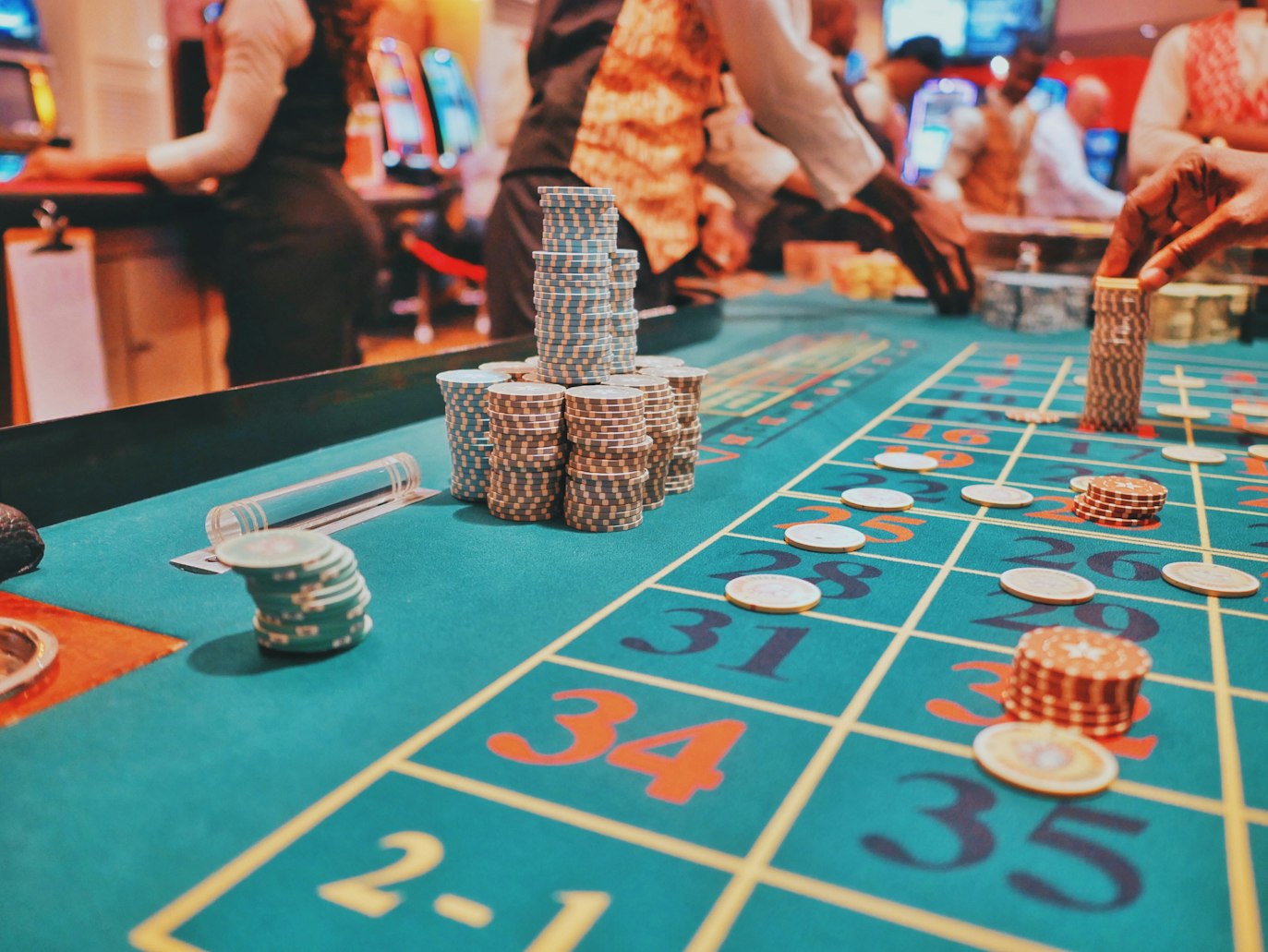
This distinction between games of chance versus games of skill highlights the need for players to choose wisely based on their own preferences and capabilities. Understanding that some games offer opportunities for skill-based enhancement can lead to a more enjoyable and potentially profitable experience. Recognizing this aspect of gambling can help dispel the myth that there is no control over the outcome, thus encouraging players to invest time in learning and improving their skills where applicable.
The Social Stigma of Gambling
Another prevalent myth is that gambling is inherently immoral and is often viewed through the lens of social stigma. This perspective often stems from cultural attitudes and historical narratives that associate gambling with negative behaviors and lifestyles. However, not all forms of gambling are detrimental, and many people participate responsibly without adverse effects on their lives or relationships. This misconception can unfairly label individuals as irresponsible simply for choosing to engage in a leisure activity that they enjoy.
In fact, for a large segment of the population, gambling is merely a form of entertainment akin to attending a sporting event or a concert. It’s crucial to differentiate between recreational gambling, which is enjoyed in moderation, and problem gambling, which can indeed lead to financial and psychological difficulties. Many casinos now promote responsible gambling practices and offer resources for those who might struggle with their gambling habits, helping to create a more supportive environment for all players.
By addressing and reducing the stigma surrounding gambling, society can encourage open discussions about responsible play and seek to help those who may be at risk. Educating individuals about the potential for healthy gambling habits can foster a more positive view of the activity, allowing those who wish to enjoy it to do so without societal judgment. This shift could contribute to better awareness and management of gambling behaviors, benefiting both individuals and communities by promoting a balanced understanding of the activity.
The Myth of Winning Strategies
The notion that players can develop foolproof strategies to win consistently at casinos is another common misconception. While strategies can enhance a player’s chances in certain games, the reality remains that no method guarantees success in games of chance. Advertisements or promotions touting specific betting systems often oversell their effectiveness and can mislead vulnerable players into believing that they have an actual winning formula. Such beliefs can lead to increased gambling activity, as players chase the elusive promise of guaranteed wins.

For example, betting systems like the Martingale strategy, where players double their bets after losses, may seem effective in theory. However, in practice, this strategy is fraught with risks, including reaching table limits or depleting one’s bankroll. Casinos are aware of these strategies and have designed their games and limits to minimize their effectiveness, reinforcing the idea that success in gambling is primarily based on chance. This reality underscores the importance of understanding the inherent risks associated with gambling.
Understanding this reality can help players avoid falling into the trap of misguided hopes and unrealistic expectations. Responsible gambling includes being aware of limits—both financially and emotionally—and accepting that losses are a part of the experience. A balanced approach that combines enjoyment with a sound understanding of gambling odds is the best way to navigate the casino landscape, dispelling myths regarding guaranteed winning strategies and encouraging a healthier relationship with gambling.
Finding Reliable Information About Gambling
In the age of information, it’s essential to seek out trustworthy sources when exploring the world of casino gambling. Many individuals turn to online forums, social media, and other digital platforms for advice and insights. However, with so much information available, not all of it is accurate or trustworthy. Relying on anecdotal evidence or unverified claims can lead to misconceptions and reinforce myths around gambling, which can be detrimental to players’ understanding and experiences.
It’s crucial to seek out reputable websites dedicated to gambling education that provide objective information, strategies, and advice. These platforms often feature resources regarding game rules, odds, and responsible gambling practices. They aim to equip players with the knowledge necessary to make informed decisions while promoting a safe and enjoyable gambling environment. By prioritizing credible sources, players can enhance their understanding of the games they play and the risks involved.
Implementing a critical approach to the information consumed in the gambling community can help individuals navigate their experiences more effectively. By prioritizing credible sources and understanding the realities of gambling, players can enhance their enjoyment and engage in responsible practices. Ultimately, cultivating informed decision-making helps bridge the gap between myth and reality in the realm of casino gambling. As players become more educated, they can enjoy the entertainment value of gambling without succumbing to the myths that often cloud judgment.
